
Systemic Solutions Blog

How Unconscious Decisions Keep Us in Unhealthy Patterns

How to Get Out of the Drama Triangle: Five Ways to Change the Pattern

The Drama Triangle: Why Families Get Stuck in the Same Conflicts
Leading with Intention: Moving Beyond Crisis Management

Parenting the Nervous System: Understanding Fight, Flight, and Freeze at Home

Emotional Management: Why Science Says It’s So Important
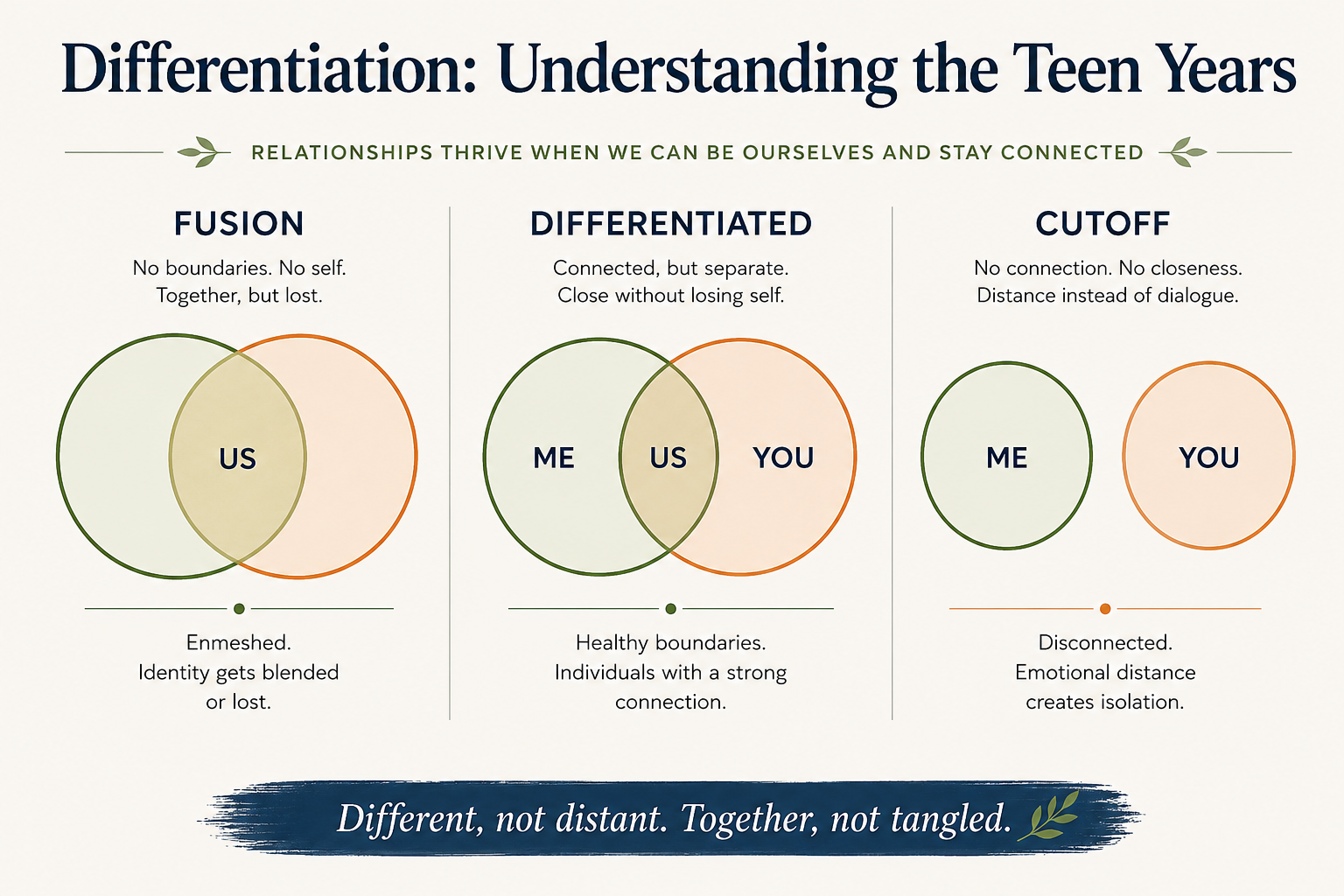
Differentiation: Understanding the Teen Years
Navigating Power Dynamics: From Hierarchy to Healthy Influence
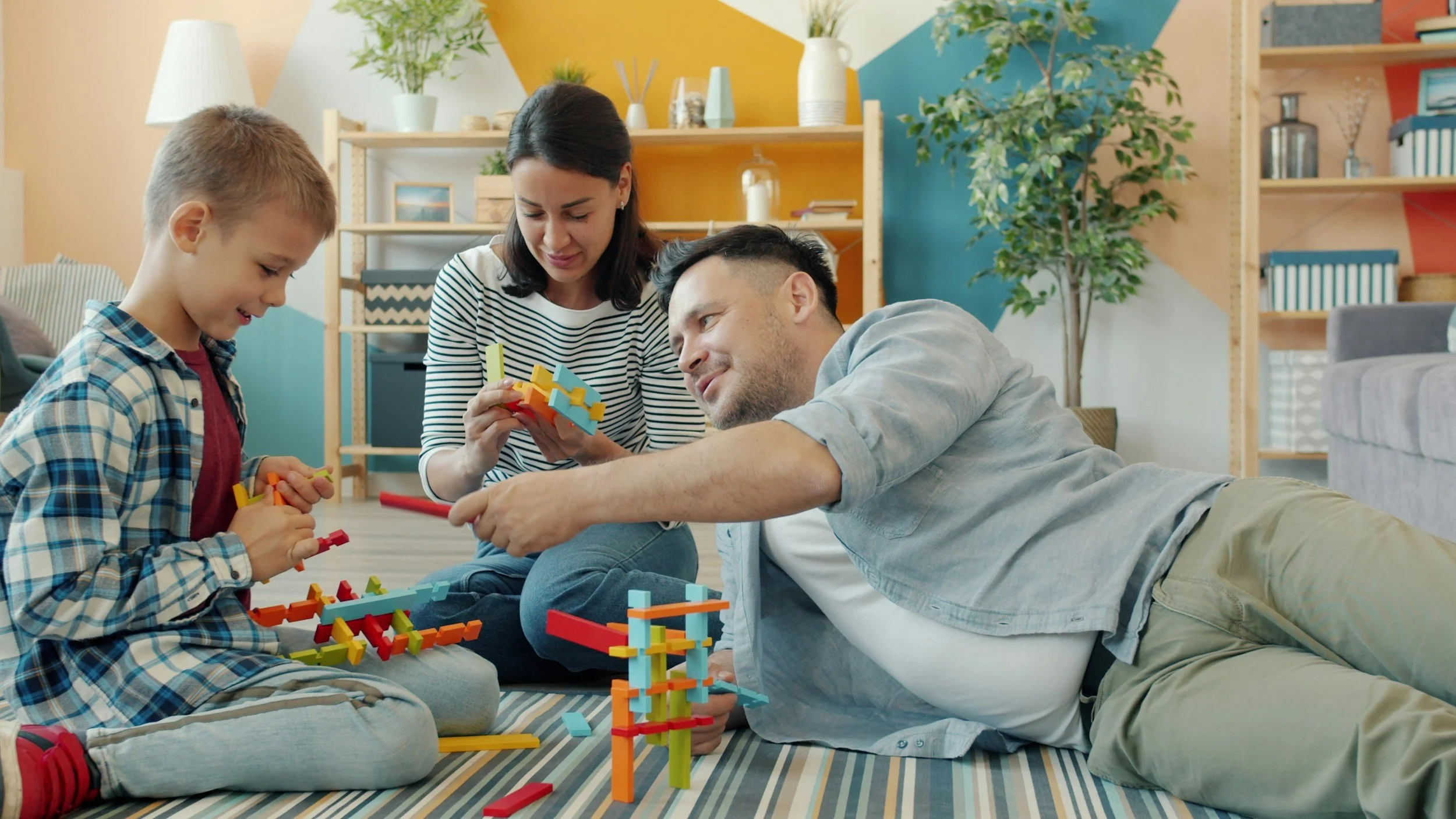
Creating Meaningful Connections at Home

The Cost of Clarity: Why Unspoken Expectations Derail Teams

Managing Up and Down: Building Feedback Loops Across the Organization

Resilience Is a Team Sport: How Family Systems Foster (or Fracture) Resilience

Creating Family Meetings That Actually Work

The Drama Triangle: The Killer of Creativity and Productivity at Work

From Insight to Integration: Building Family Programming that Actually Changes Lives

Repairing After Rupture: What to Do When You’ve Messed Up

When One Child Struggles: Keeping the Family System in Balance
When a child is struggling, it’s easy for the rest of the family to fade into the background. This post explores how to keep your family system balanced, so everyone feels seen, supported, and connected—even during challenging seasons.

The Overlooked Pillar of Therapeutic Success: Family Programming that Actually Works
Too often, family programming is an afterthought in therapeutic settings—leaving parents feeling disconnected and students unprepared for life at home. This post explores why engaging families isn’t just helpful—it’s essential for long-term success. Whether you’re a program leader or a parent seeking support, you’ll find insight and a clear path forward.

Embracing a New Chapter: Systemic Solutions Coaching

Family Dynamics and How They Impact Child Development
When it comes to supporting children, parents often turn to individual solutions like therapy or tutoring. But one of the most powerful influences on child development is often overlooked: the family system itself. This post explores how roles, rules, and unspoken dynamics within a family shape a child’s behavior, emotional health, and growth—and how small systemic shifts can create lasting change for the whole family.