
Resilience Is a Team Sport: How Family Systems Foster (or Fracture) Resilience
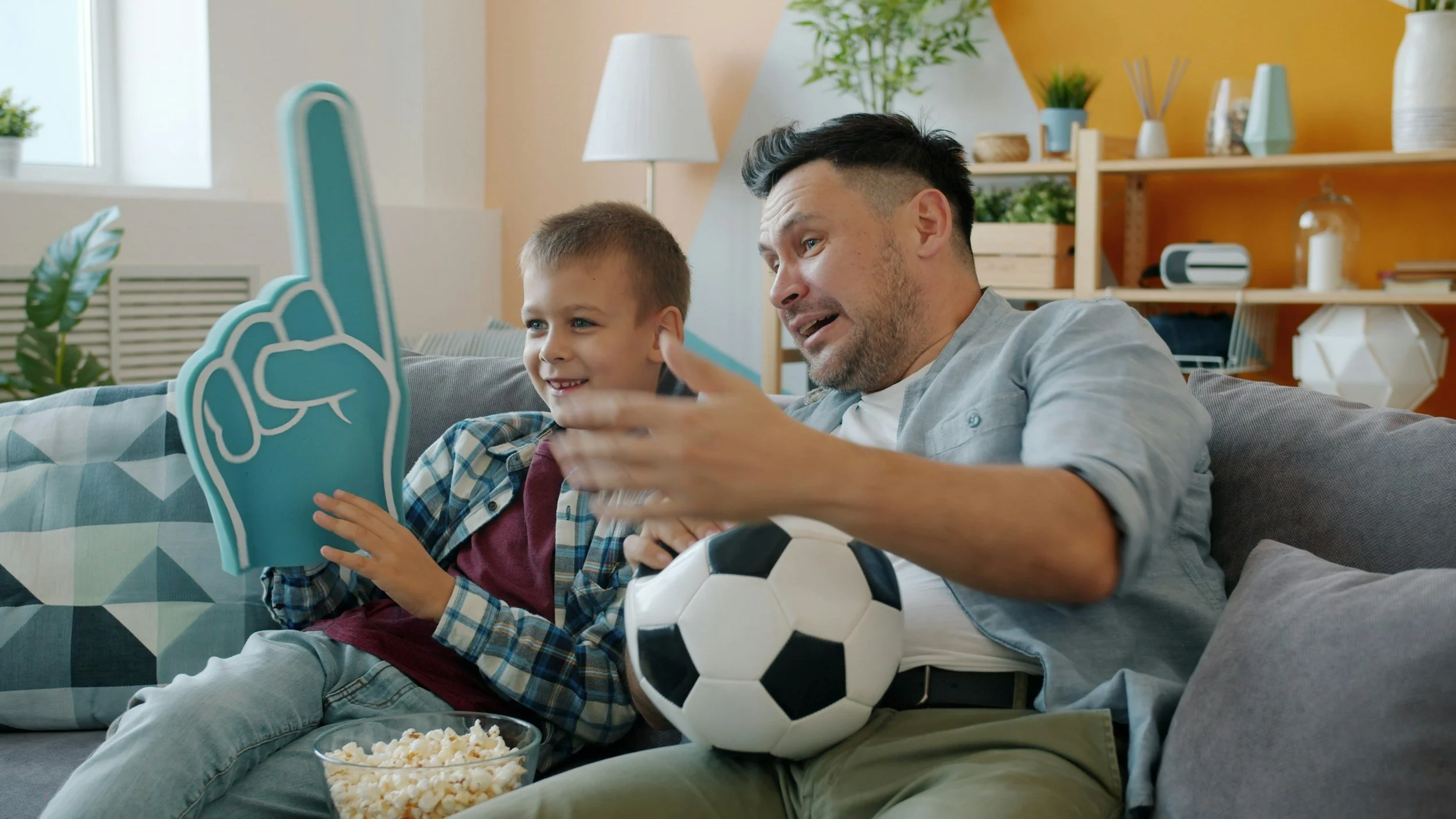
Resilience is often framed as an individual trait—something you either have or you don’t. But in family systems work, we understand resilience differently. It’s not just what a child is born with—it’s what they grow into, through relationships, routines, and responses.
Resilience isn’t a solo sport. It’s a team effort.
What Is Resilience, Really?
At its core, resilience is the capacity to recover from difficulty. It includes:
Emotional regulation
Problem-solving skills
Hopefulness and future orientation
A sense of belonging and purpose
According to the Center on the Developing Child at Harvard University, one of the strongest predictors of resilience in children is the presence of at least one stable, responsive relationship with a supportive adult.
That means families play a central role—not just in protecting kids from stress, but in preparing them to navigate it.
How Families Foster Resilience
Model coping—not perfection
Kids don’t need flawless parents. They need to see how you recover, adapt, and stay connected in the face of stress.Name and normalize emotions
“It’s okay to feel frustrated when things are hard. Let’s figure out what helps.” Emotional literacy is a resilience skill.Teach problem-solving through participation
Involve kids in age-appropriate decisions: “What’s a plan we could try for smoother mornings?”Celebrate effort and repair
Resilience grows through challenge, not avoidance. Highlight perseverance and relationship repair.Create rituals of connection
Predictable routines—family dinners, bedtime stories, check-ins—signal safety to the nervous system.
When Systems Fracture Resilience
Sometimes, families unintentionally undercut resilience:
Overprotecting children from discomfort
Reacting with blame instead of curiosity
Expecting emotional regulation from kids they haven’t modeled it for
Failing to repair after conflict
In these cases, the family system communicates: “You’re on your own” or “Your feelings are too much.”
A resilient system says: “We can handle hard things—together.”
A Real-Life Shift
A parent I worked with, “Mara,” used to jump in every time her daughter struggled. “I didn’t want her to feel alone,” she said. But over time, her daughter became dependent on rescue and fearful of mistakes.
With coaching, Mara shifted to a more supportive stance: “I’m here with you. I believe you can figure this out. Let me know how I can support you.” Her daughter began to try more—and trust herself more.
A Systemic Perspective
Resilience isn’t taught in one conversation. It’s embedded in the daily dynamics of a family:
How stress is handled
How emotions are welcomed
How mistakes are responded to
How relationships are repaired
Families that foster resilience aren’t stress-free—they’re support-full. They equip kids with tools and connection.
Final Reflection
Resilience doesn’t only mean bouncing back quickly. It means staying rooted while you grow.
This week, notice one moment of stress or challenge in your family. Instead of fixing it, ask: “What support do you need to get through this?”
You’re not just raising kids. You’re building a system that teaches them how to rise.
